

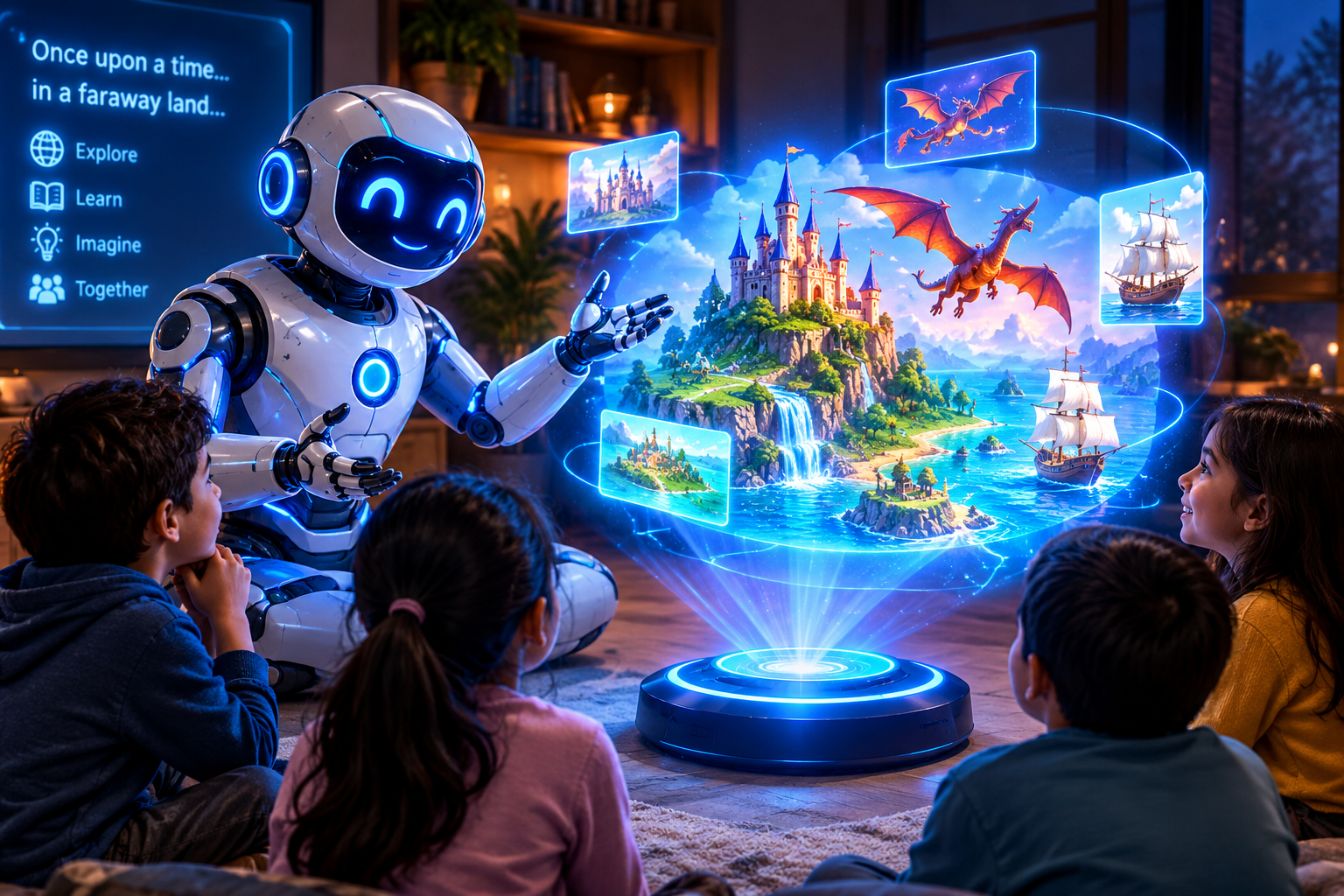

Master Tome AI with 3 key hacks: prompt dynamically, weave rich media, and refine layouts for epic stories.
3 Best Tome Hacks for Great Storytelling
Digital storytelling has undergone a seismic shift in recent years. Moving past static slides and bulleted presentations, modern storytellers rely on fluid, interactive visual documents to captivate audiences. Tome AI stands at the forefront of this evolution, blending generative intelligence with dynamic design to transform raw ideas into compelling narratives. However, simply typing a basic query into the generator rarely yields a narrative masterpiece. To truly elevate your digital presentations and pitch decks, mastering the 3 Best Tome Hacks for Great Storytelling is essential. By understanding how to prompt dynamically, weave rich interactive media, and refine custom layouts, you can transform basic text into unforgettable visual experiences.
Master Tome AI with 3 Key Hacks: Prompt Dynamically, Weave Rich Media, and Refine Layouts for Epic Stories
To stand out in a world saturated with generic content, storytellers must treat Tome AI as a collaborative design partner rather than just an automated tool. Learning the nuances of the 3 Best Tome Hacks for Great Storytelling will give you full creative control over your narrative flow, aesthetic cohesion, and audience engagement.
+-------------------------------------------------------------------------------+
|                        TOME AI STORYTELLING ENGINE                            |
+------------------------------+--------------------------------+---------------+
|     1. DYNAMIC PROMPTING     |     2. RICH MEDIA WEAVING      |  3. LAYOUT    |
| • Role / Audience Framing    | • Live Embedded Prototypes     |  REFINEMENT   |
| • Tone & Style Dictation     | • Interactive Audio / Video    | • Grid Tweaks |
| • Contextual Outline Control | • Dynamic Data Visualization   | • Visual Rhythm|
+------------------------------+--------------------------------+---------------+
Hack 1: Prompt Dynamically for Deep Narrative Structure
The first critical component among the 3 Best Tome Hacks for Great Storytelling is moving beyond simple, single-sentence prompts. Generative storytelling platforms require nuanced context to build structured, meaningful content rather than superficial slide summaries.
Provide Tone, Audience, and Goal Context
When initiating a new presentation, frame your initial prompt with explicit parameters. Instead of entering “Create a deck about remote work,” construct a multi-layered instruction.
- Target Audience: State clearly who the story is for (e.g., venture capitalists, internal engineering teams, creative directors).
- Narrative Tone: Specify the voice (e.g., persuasive, analytical, inspirational, dark mode minimalist).
- Core Objective: Define the intended takeaway or call to action.
Iterative Slide Generation
Rather than generating an entire presentation at once and hoping for accuracy, generate your workspace deck structure iteratively.
- Outline the narrative framework using an overarching prompt to establish chapter headings.
- Regenerate specific tiles using targeted follow-up prompts to expand on crucial details.
- Use the AI re-write feature to adjust text density, changing wordy paragraphs into concise key points.
By controlling the AI’s initial inputs dynamically, you set a sturdy foundation—a cornerstone phase when utilizing the 3 Best Tome Hacks for Great Storytelling.
Hack 2: Weave Rich, Interactive Media to Create Immersion
A deck composed entirely of AI-generated static images and plain text quickly loses an audience’s attention. The second strategy within the 3 Best Tome Hacks for Great Storytelling centers on turning your document into a living, multimedia canvas.
| Media Type | Recommended Tool / Embed | Strategic Value in Storytelling |
| Live Web Prototypes | Figma, Framer, Webflow | Demonstrates working UI/UX directly without leaving the presentation flow. |
| Interactive Analytics | Looker, Tableau, Airtable | Allows stakeholders to explore real-time data dynamically during discussion. |
| Embedded Video & Audio | Loom, Vimeo, Spotify | Adds personal voice notes or founder commentary to self-paced presentations. |
| Generative Art Styles | Midjourney, DALL-E, Tome Native | Maintains a cohesive aesthetic tone across custom abstract artwork. |
Embed Live Integrations
Tome’s native support for live embeds allows you to feature functional applications directly within your canvas.
- Product Demos: Embed interactive Figma prototypes so viewers can interact with live wireframes directly on the slide.
- Real-time Data: Link live spreadsheets or dashboards to ensure metrics remain accurate long after the presentation is sent.
Curate Generative Visuals with Consistent Styles
While AI image generation inside Tome is powerful, unguided style generation results in visual mismatch. Stick to consistent visual descriptors in your image prompts—such as 3D renders, isometric glassmorphism, hyper-realistic photography, or flat vector illustration—to ensure the visual identity remains unified across every page. Integrating these immersive elements demonstrates why this technique remains one of the 3 Best Tome Hacks for Great Storytelling.
Hack 3: Refine Layouts and Visual Rhythm for Impact
Even the most compelling prose and high-resolution media fall flat if the visual hierarchy is cluttered. The final pillar of the 3 Best Tome Hacks for Great Storytelling focuses on layout refinement, spatial pacing, and visual minimalism.
Leverage Flexible Layout Grids
Tome’s tile-based layout system automatically aligns content, but manual fine-tuning creates professional contrast.
- Vary Tile Density: Alternate between content-rich pages and high-impact visual break pages to give the audience room to process information.
- The Rule of Thirds: Group related ideas into two or three vertical columns to allow easy scanning. Avoid squeezing more than four distinct ideas onto a single canvas frame.
STANDARD SLIDE (Monotonous):
+-------------------------------------------------------+
| Text Block | Text Block | Text Block | Text Block     |
+-------------------------------------------------------+

DYNAMIC RHYTHM (Engaging):
+-------------------------------------------------------+
|               HERO HEADING / KEY QUOTE                |
+--------------------------+----------------------------+
|      Focus Image /       |  • Concise Bullet 1        |
|      Live Embedded UI    |  • Concise Bullet 2        |
+--------------------------+----------------------------+
Apply Custom Color Themes for Emotional Resonance
Color directly influences audience perception. Customizing the background palette and typographic choices elevates the presentation’s mood:
- Dark Themes: Best for technical product launches, creative portfolios, and immersive late-night pitches.
- Light / High-Contrast Themes: Ideal for data-heavy executive summaries, financial reports, and investor decks that require maximum legibility.
Mastering design flexibility ensures your story moves at an engaging pace, validating why layout control is fundamental to the 3 Best Tome Hacks for Great Storytelling.
Step-by-Step Workflow: Implementing the Hacks
To put these strategies into practice, follow this step-by-step framework during your next narrative creation process:
- Phase 1: Dynamic SetupDraft your master prompt outlining audience, tone, and core takeaways. Generate the initial structural outline.
- Phase 2: Narrative AuditingReview generated text. Refine tone and delete redundant AI phrasing to ensure authentic storytelling.
- Phase 3: Media IntegrationReplace generic stock photos with embedded prototypes, dynamic charts, or specifically styled AI artwork.
- Phase 4: Layout & Grid StylingAdjust column widths, re-order tiles for visual variety, and set a custom color palette.
- Phase 5: Polish & Final ReviewPreview the document across desktop and mobile screens to verify that responsiveness and interactive embeds function smoothly.
Adopting this structured process guarantees consistent execution of the 3 Best Tome Hacks for Great Storytelling whenever you build new decks.
Common Pitfalls to Avoid in Tome AI Storytelling
Even experienced creators occasionally make mistakes when using generative document tools. Avoiding these key missteps will keep your presentations sharp and effective:
- Over-reliance on Automated Text: Never present raw AI text without human review. Injecting personal anecdotes and real-world examples builds trust.
- Visual Clutter: Avoid placing too many embedded apps or videos on a single page. Let key elements breathe by using adequate padding and whitespace.
- Inconsistent Image Styles: Mixing photorealistic images with cartoon illustrations creates visual confusion. Stick to one visual aesthetic throughout the deck.
- Ignoring Responsive Flow: Always check how flexible canvas layouts collapse on smaller mobile viewports.
Maximizing the Future of Generative Narratives
As AI presentation tools continue to evolve, storytelling will become increasingly personalized, dynamic, and data-driven. Using advanced prompting, rich interactive media, and intentional layout design keeps your content ahead of the curve.
Integrating the 3 Best Tome Hacks for Great Storytelling into your regular workflow bridges the gap between raw generative output and polished, high-converting visual communications. Whether pitching investors, training teams, or presenting creative concepts, these techniques empower you to present ideas with confidence and lasting visual impact. Practice these methods on your next project, refine your narrative voice, and leverage the 3 Best Tome Hacks for Great Storytelling to build documents that inform, inspire, and convert.